
Space That Grows With Your Family
Home Additions in Fort Worth for properties that need extra square footage without relocating
North Texas families often reach a point where bedrooms feel overcrowded, remote work demands dedicated office space, or aging parents need accessible living areas—but moving to a larger home means higher mortgage costs, relocating children's schools, and leaving established neighborhoods. Home additions provide extra living space while maintaining the character and functionality of the existing structure. Twisted Roots, LLC designs and builds room additions, expanded living areas, home offices, guest spaces, and other custom solutions throughout Fort Worth and Wichita Falls, managing planning, construction, and project coordination from initial consultation through final inspection.
Addition projects require matching new construction to the existing home's foundation type, roofline, siding, and interior finishes so the expansion feels intentional rather than tacked on. The work involves obtaining permits, coordinating inspections, pouring foundation or building onto existing slabs, framing walls and roof structures, installing windows and doors, and connecting HVAC, plumbing, and electrical systems. Design decisions address how the addition integrates with traffic flow inside the home, how natural light enters the new space, and whether outdoor access or views matter for the room's intended use.
Arrange a property evaluation to discuss how much space you need, where additions can feasibly attach to your home, and what structural considerations affect project scope.
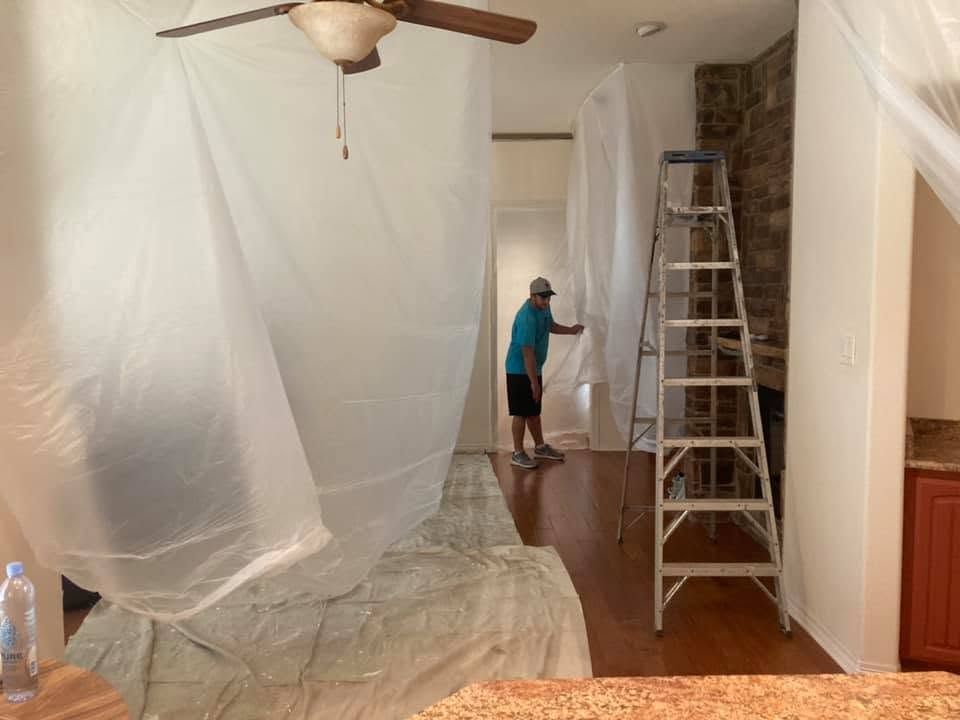
Why Home Additions Require Planning Beyond Square Footage
The process begins with site evaluation—determining setback requirements from property lines, assessing soil conditions for foundation work, and identifying utility line locations that affect where structures can sit. Foundation options depend on whether the existing home sits on slab, pier and beam, or crawl space, as mismatched foundation types can cause differential settling and cracking. Rooflines get designed to tie into existing structures without creating valleys that trap water or require excessive maintenance, and exterior finishes are selected to match siding profiles, brick mortar colors, and trim details already present.
Once construction completes, you'll notice new rooms that maintain consistent floor heights and door casing profiles with the rest of the home, HVAC zones that heat and cool effectively without overworking existing systems, and exterior walls where paint or brick continues seamlessly across old and new sections. Interior transitions feel natural when flooring types change at logical thresholds, lighting fixtures match existing styles, and wall textures replicate throughout. The addition functions as intended—whether that's a home office with built-in shelving and isolated from household noise, a primary suite with accessible bathroom features, or a flex space that adapts as family needs change.
Extensive construction experience helps the team anticipate challenges like tying into existing roof trusses without compromising structural integrity, matching brick from discontinued product lines, or upgrading electrical panels to handle additional load. Financing options and free estimates simplify planning by clarifying upfront costs, potential change order scenarios, and realistic timelines based on permitting and material availability.
Answers to Frequent Home Addition Questions
Property owners considering additions have practical concerns about feasibility, costs, and how construction affects daily living. These responses address the most common planning questions.
What determines whether an addition is feasible on my property?
Setback requirements from property lines, easements restricting construction zones, and lot coverage limits set by local zoning all affect where and how large additions can be built. The initial consultation reviews these constraints using your property survey and municipal regulations.
How do additions affect existing HVAC systems?
Adding square footage may exceed your current system's capacity, requiring a second unit or upgrading to a larger system. Load calculations determine whether existing ductwork can serve new rooms or if separate zones provide better comfort and efficiency.
What's the typical timeline for completing a room addition?
Projects generally take three to six months from permit approval through final inspection, depending on complexity, weather delays, and inspection scheduling. Foundation work and framing progress quickly once permits clear, while finish work requires more time to match existing details.
How does Fort Worth's and Wichita Falls' clay soil affect foundation work for additions?
Expansive clay soils common in North Texas shift with moisture changes, so foundation designs must account for movement. Pier and beam foundations or reinforced slabs with proper drainage prevent cracking where new construction meets existing structures.
Will the addition look like it was always part of the home?
Matching rooflines, replicating exterior finish details, and using consistent interior trim profiles make additions blend naturally. The goal is seamless integration where visitors can't distinguish old construction from new without being told.
Twisted Roots, LLC works with Fort Worth and Wichita Falls property owners to design and build additions that expand living space while preserving home character and functionality. Request a free estimate to explore your expansion options, review structural requirements, and discuss financing programs that may make your project more accessible.