
Bathrooms That Function During Morning Rush
Bathroom Remodeling in Fort Worth and Wichita Falls for outdated layouts, worn fixtures, and insufficient storage
Bathroom spaces that worked years ago often fail when multiple people need simultaneous access or when aging fixtures leak, stain, or limit cleaning effectiveness. Twisted Roots, LLC provides bathroom remodeling throughout Fort Worth and Wichita Falls, handling everything from shower and tub replacements to vanity installations, flooring updates, lighting improvements, and layout reconfigurations. The team's construction experience allows them to address underlying plumbing issues, improve ventilation, and select materials that resist moisture damage while creating a more comfortable, visually appealing space for daily use.
Remodeling projects begin with identifying pain points—cramped shower enclosures, inadequate storage for toiletries, poor lighting around mirrors, or tile grout that has deteriorated beyond cleaning. The work involves removing old materials down to studs and subfloor when necessary, replacing drain lines or supply pipes that show corrosion, and installing fixtures that meet current water efficiency standards while improving performance. Layout changes might relocate a toilet to open floor space, expand a shower by borrowing area from an adjacent closet, or add a double vanity where a single sink once stood.
Arrange an on-site consultation to review your current bathroom layout and discuss material options that fit your functional needs.
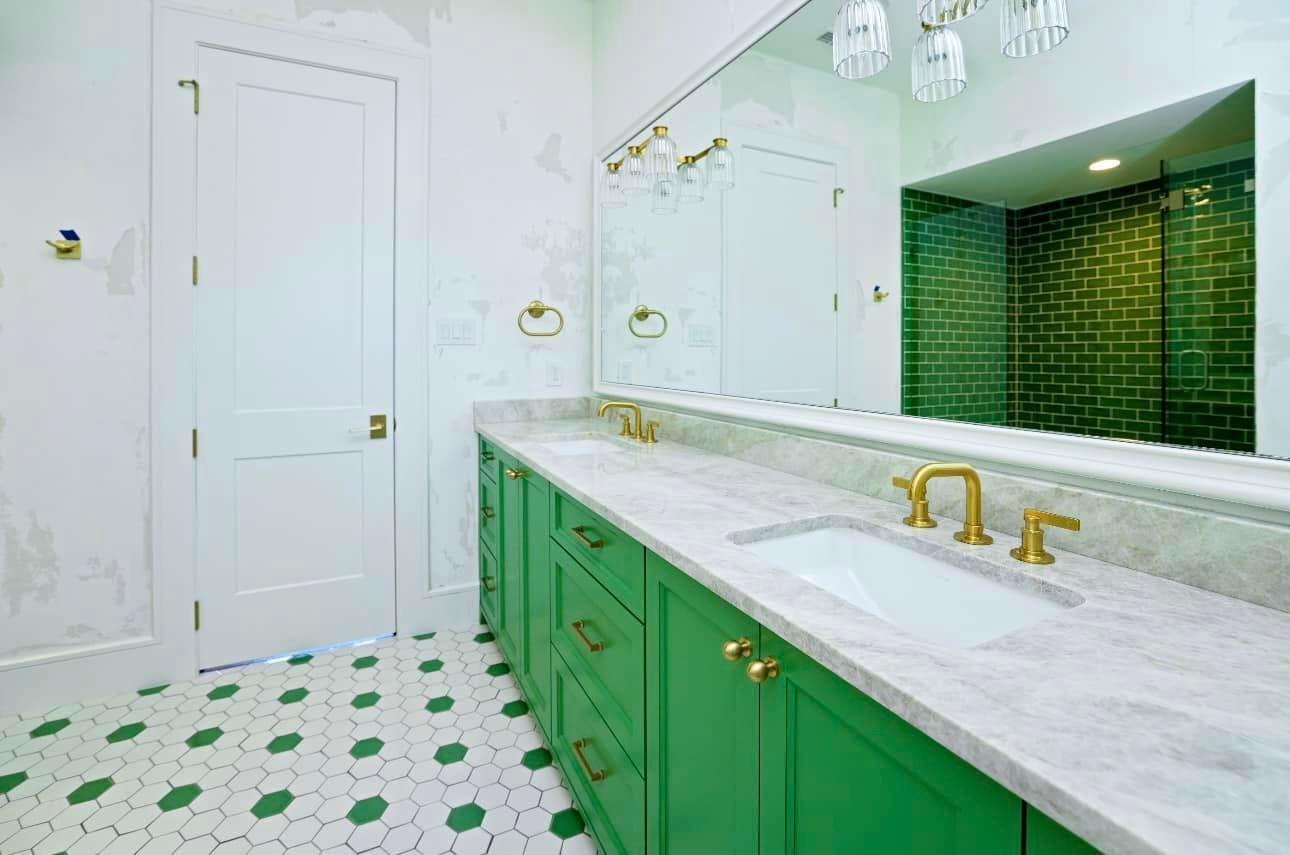
How Bathroom Remodeling Addresses Daily Frustrations
The process starts with selecting materials and finishes that support both appearance and durability—porcelain tile that resists moisture better than natural stone, vanities with soft-close drawers that organize supplies efficiently, and shower fixtures with thermostatic valves that prevent temperature fluctuations. Flooring gets leveled and waterproofed before tile installation, walls receive updated framing for recessed storage niches, and electrical work accommodates GFCI outlets and ventilation fans sized to the room's cubic footage.
After construction wraps up, you'll notice grout lines that stay clean longer, shower glass that sheds water without constant scrubbing, vanity storage that keeps countertops clear, and lighting that eliminates shadows during grooming tasks. Floors dry faster, mirrors resist fogging with proper ventilation, and fixtures operate smoothly without drips or temperature swings. The room feels larger when thoughtful layout adjustments remove visual clutter and improve traffic flow between the door, toilet, and shower.
Projects also address less visible improvements—proper slope on shower floors to prevent standing water, backer board behind tile to prevent mold growth, and exhaust fans vented to the exterior rather than into attic spaces. These details affect how long finishes last and whether moisture-related problems reappear years later.
What Homeowners Want to Know About Bathroom Projects
Bathroom remodeling involves decisions about layout, materials, and how the space will function once construction is complete. These questions address common concerns during planning.
How long does a typical bathroom remodel take from start to finish?
Most projects require two to four weeks depending on scope—straightforward fixture and finish updates move faster than full layout changes that involve relocating plumbing lines or expanding into adjacent spaces.
What happens if demolition reveals water damage or outdated plumbing?
The team documents conditions, explains necessary repairs, and provides pricing for additional work before proceeding. Addressing underlying issues during remodeling prevents future failures and ensures new materials install correctly.
Which shower and tub options work best for resale value versus personal preference?
Standard alcove tubs appeal to buyers with young children, while walk-in showers with bench seating suit aging-in-place plans. Material and finish choices balance upfront cost with maintenance requirements and how long you plan to stay in the home.
How does Fort Worth and Wichita Falls' water quality affect fixture selection?
Hard water common in North Texas can leave mineral deposits on glass shower doors and chrome finishes, making matte or brushed fixture finishes and treated glass easier to maintain over time.
What's the difference between a partial and full bathroom remodel?
Partial remodels replace fixtures, flooring, and finishes while keeping the existing layout intact. Full remodels involve layout changes, wall removal or relocation, and updated rough plumbing and electrical—requiring more time and budget but offering greater functional improvements.
Twisted Roots, LLC offers free estimates and works with homeowners in Fort Worth and Wichita Falls to create bathroom spaces that support daily routines and long-term property value. Contact the team to discuss fixture options, layout possibilities, and financing programs that may help make your project more accessible.